Community projects rarely begin with the event itself.
They begin with conversations.
Then questions.
Then a hundred small decisions that most people never see.
Over the past month, that’s exactly what Melody Ellis (10) and Kaylee Weissinger (11) have been discovering as they continue building Food for Friends, their youth-led hunger outreach project through the National Youth Leadership Council’s 9/11 Day Peacemaking Cohort.
When I first shared their story, the girls had just completed weeks of research and interviews with community organizations, faith leaders, and food pantries across Wichita. They had learned that hunger is about more than providing food. It is also about dignity, belonging, and making sure people know they are welcome.
Now they’ve begun turning those lessons into reality.
One of the things I love most about teaching through authentic experiences is that learning doesn’t happen before the work.
The work is the lesson.
My role isn’t to hand children a completed project or tell them exactly what to do next. It’s to introduce the next concept, ask good questions, and help them think through each decision as they put new skills into practice.
Every part of Food for Friends has become another opportunity to learn.
Before creating a budget, we talked about the many expenses involved in hosting a community event. Then Melody and Kaylee identified what they would need, and together we built a budget that reflected those decisions.
Before requesting the park, we discussed permits, logistics, and why public events require careful planning. Then they completed the space request.
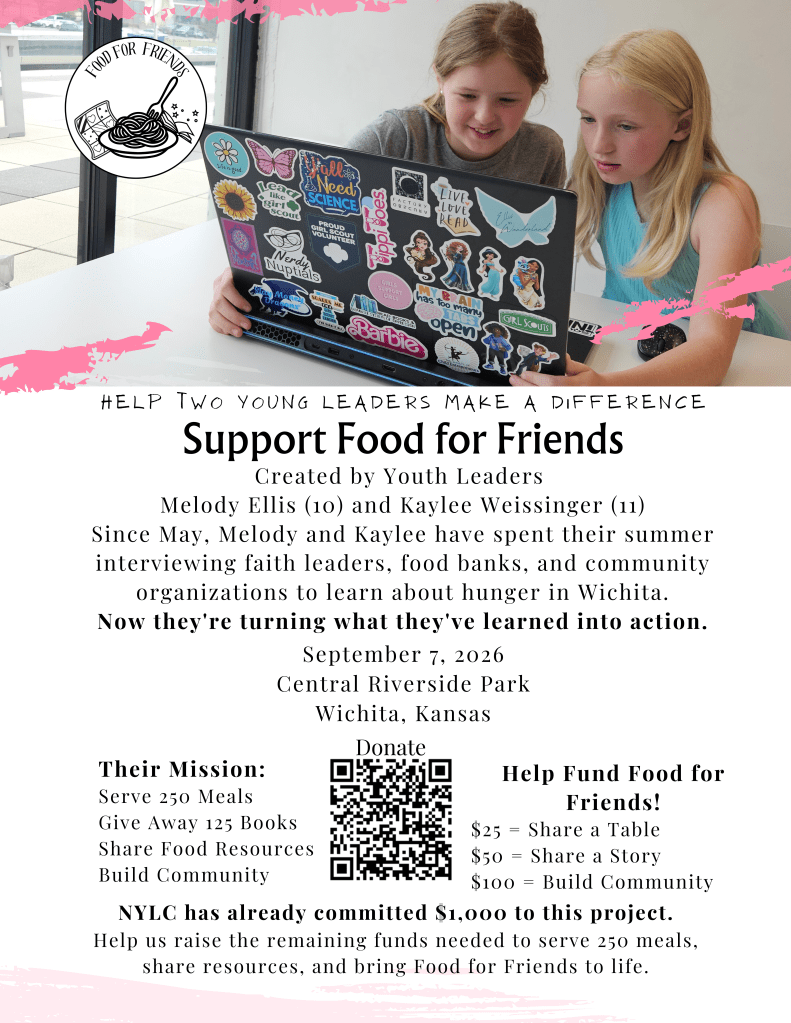
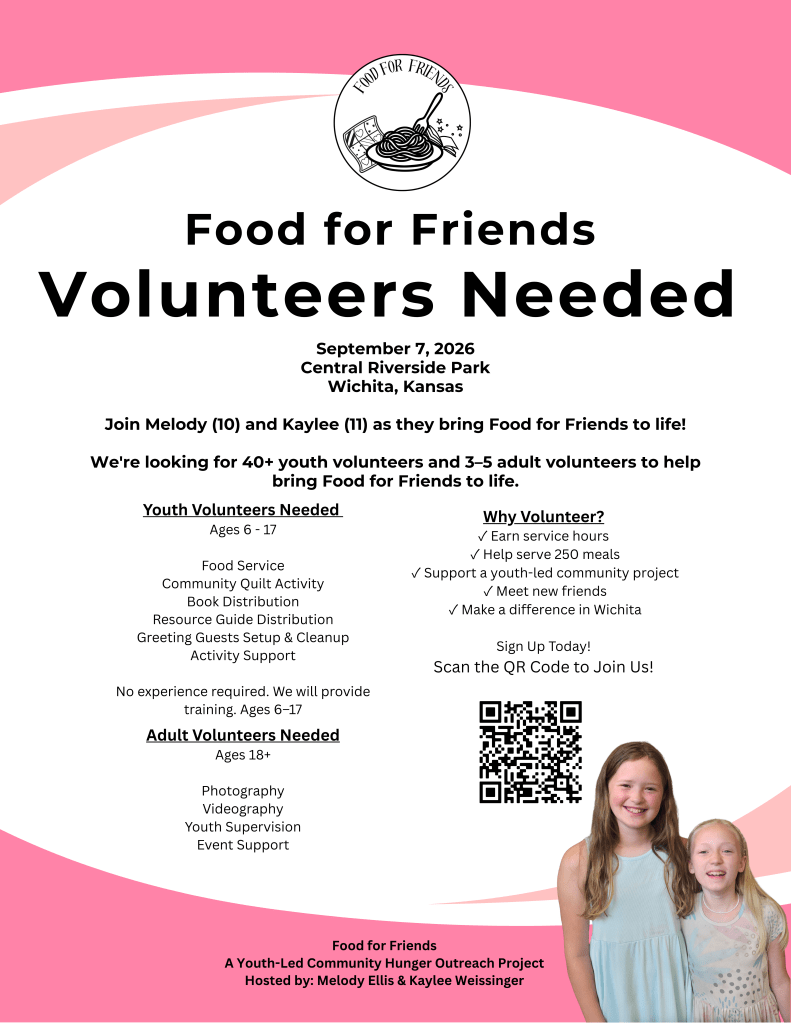
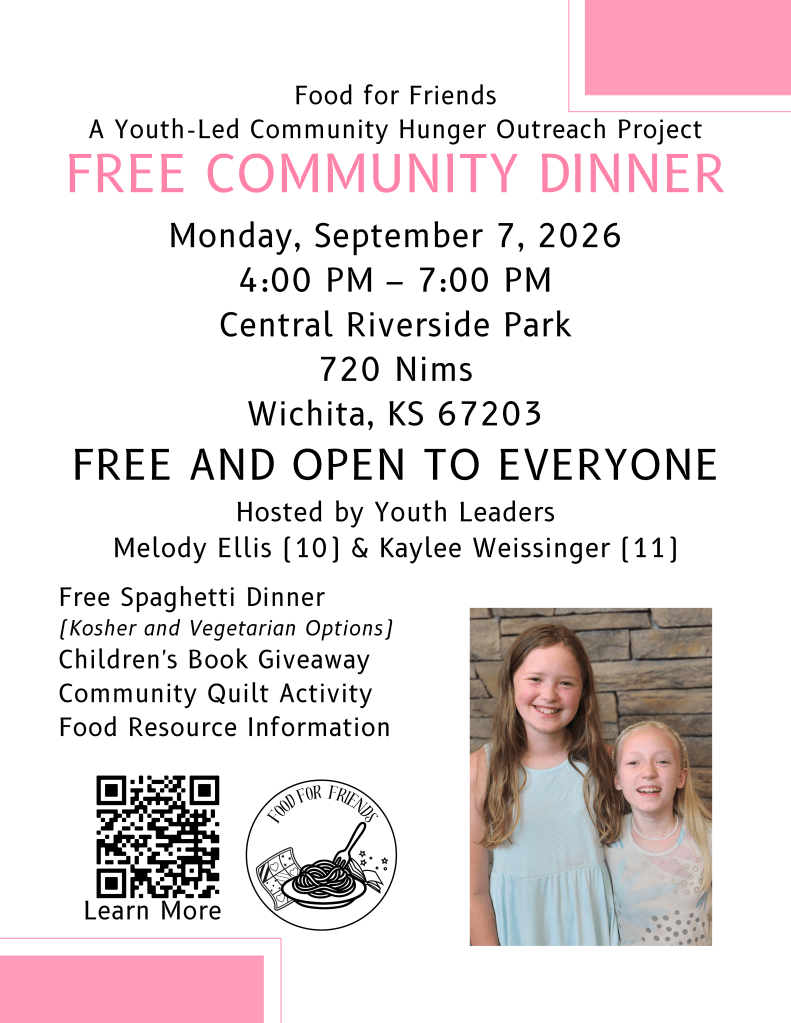
Before inviting the community, we explored branding, communication, and public outreach. Then they designed the Food for Friends logo, created flyers, ordered business cards, and began sharing their vision with others.
Every meeting has brought another decision.
Every draft has been revised.
Every challenge has become another lesson.
And every lesson has made the project a little stronger.
Some of the most meaningful, almost magical, parts of Food for Friends didn’t come from a lesson plan or a prompt.
As the girls talked about families who might feel nervous walking into a food pantry or community dinner for the first time, they wanted to help make that experience feel a little less scary. They decided to write a children’s story that gently removes the stigma around asking for help.
When they talked about how easy it is to feel disconnected, they imagined a community quilt where every guest contributes a square, creating something beautiful together.
Then they decided the quilts shouldn’t end with the event. They wanted to donate them to Lord’s Diner and Word of Life Church so the people who see them every day are reminded that our community cares and that anyone can make a difference.
Those ideas weren’t assignments.
They were acts of compassion.
Watching children create solutions I never would have imagined reminds me why authentic leadership experiences matter. Children often see possibilities adults overlook because they haven’t yet learned to believe something is impossible.
Along the way, Melody and Kaylee have also written press releases, practiced public speaking, connected with community partners, and continued refining every detail of their project.
Perhaps the biggest lesson they’ve learned is that meaningful work is rarely one big moment.
It’s one conversation.
One revision.
One meeting.
One decision at a time.
Food for Friends is still growing, just like the two young leaders behind it. On September 7, our community will gather at Central Riverside Park for Food for Friends.
Guests will share a free spaghetti dinner, connect with local food resources, contribute to a community quilt, and experience a project thoughtfully created by two young leaders who chose to listen before they acted.
I hope people leave with full stomachs.
But even more than that, I hope they leave believing something children have known all along:
That compassion grows when we practice it.
That leadership grows when we nurture it.
And that children don’t have to wait until they’re adults to make a meaningful difference.
They’re already having the conversations.
They’re already asking the questions.
And they’re already making a difference.
Learn more at https://bit.ly/m/FoodforFriends.