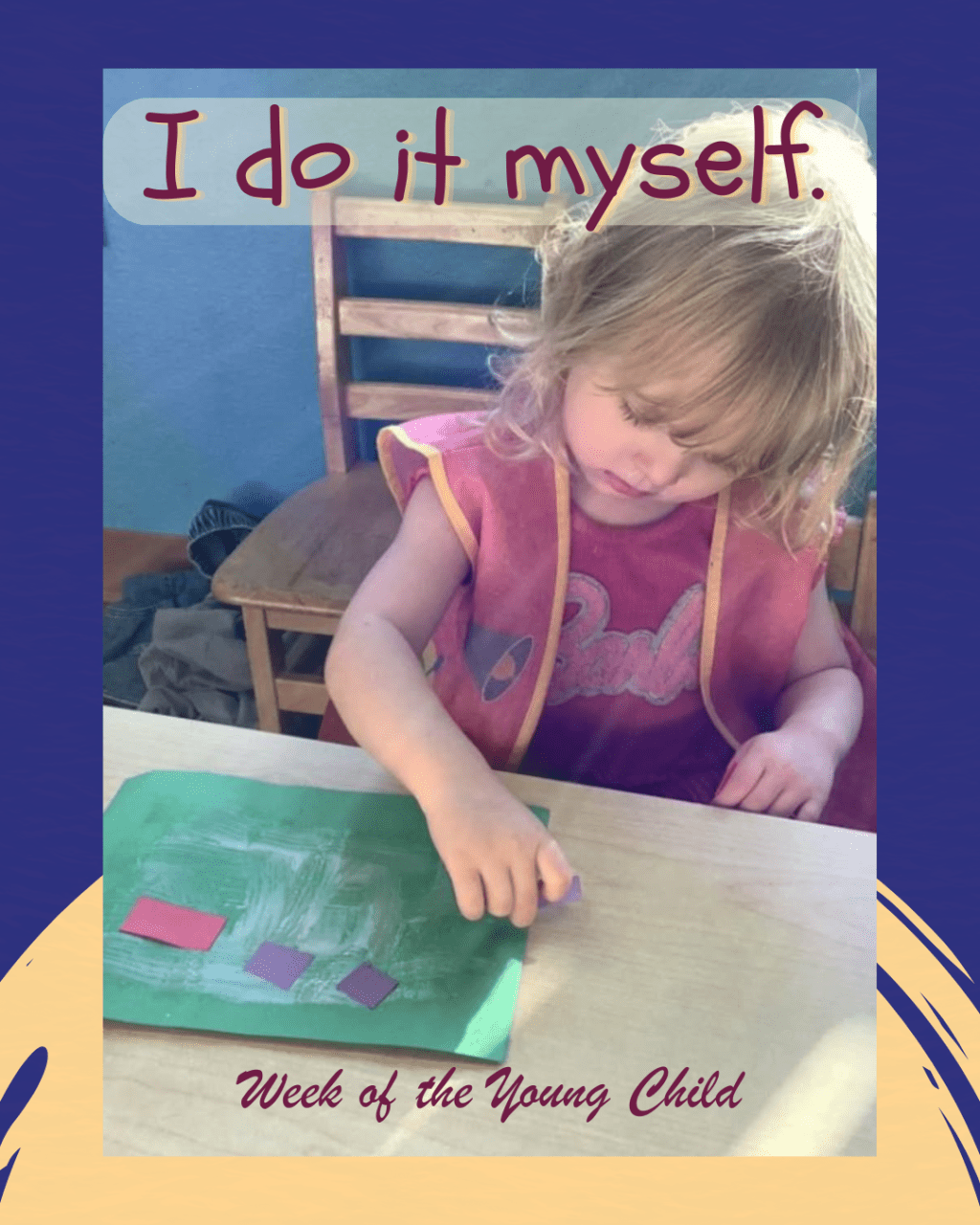
“I do it myself.”
It’s one of the first declarations children make.
And it tells us everything we need to know.
By the time kids reach us at The Society of Child Entrepreneurs, so much has already been shaped.
Not their intelligence.
Not their potential.
But their belief in what they’re allowed to do with it.
Because entrepreneurial thinking doesn’t start when a child opens a business.
It starts much earlier.
It starts when they are toddlers asking “why,” building towers, pretending to run stores, negotiating snack trades, and testing ideas without fear.
And somewhere along the way, something shifts.
Many kids begin to hesitate.
They look for permission.
They worry about being wrong.
They wait to be told what to do.
This is why the early years matter more than we think.
Not for academics.
For identity.
Protect What’s Already There
If you have a young child at home, you don’t need a curriculum to begin.
You just need to protect what’s already showing up.
Here are a few simple ways to do that:
Let them make choices, even small ones
“What should we have for snack?” builds decision-making
Let them solve problems before you jump in
Struggle is where confidence is built
Let them “sell” you something
A drawing, a toy, an idea. Ask questions. Take them seriously
Let them handle money in real life
Pay at the store. Count change. Talk about value
Let them change their mind
That’s not inconsistency. That’s iteration
Let them be wrong
Without rushing to fix it
Because the goal isn’t to teach entrepreneurship yet.
It’s to protect curiosity.
To protect initiative.
To protect the belief that “I can try.”
That’s what we build on later.
And that’s where leadership begins.
 The Society of Child Entrepreneurs